
Researched By: Emily Ridyard
Date: January 27th, 2026
When Veterinarians Can’t Fix What They’re Experts at Fixing
Inbred Animals, Structural Defects, and the Limits of Medicine

Short version (for readers):
Veterinarians are trained to fix medical problems.
Inbred animals are often born with structural problems medicine cannot undo.
That isn’t a failure of veterinary care — it’s the limit of biology.
This Post Exists Because the Same Question Keeps Coming Up
Clients often assume that if a veterinarian is a specialist — neurologist, surgeon, internal medicine — then every problem should be fixable.
That assumption breaks down when the problem is genetic, congenital, and structural.
This post explains why.
Treatable vs. Unfixable: A Critical Distinction
Veterinary medicine is excellent at treating:
infections
inflammation
trauma
tumors
metabolic disease
These problems develop after birth and can often be reversed, managed, or resolved.
Inbred animals frequently present with problems that:
existed before birth
are built into the anatomy
affect multiple systems at once
Those problems are not diseases.
They are design limitations.
Inbreeding Changes Anatomy — Not Just Risk
Selective inbreeding, especially in extreme conformation breeds, increases the likelihood of:
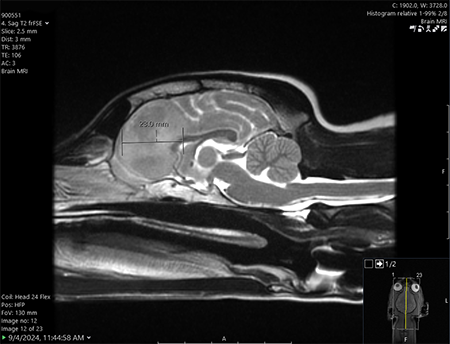
skulls too small for normal brain volume
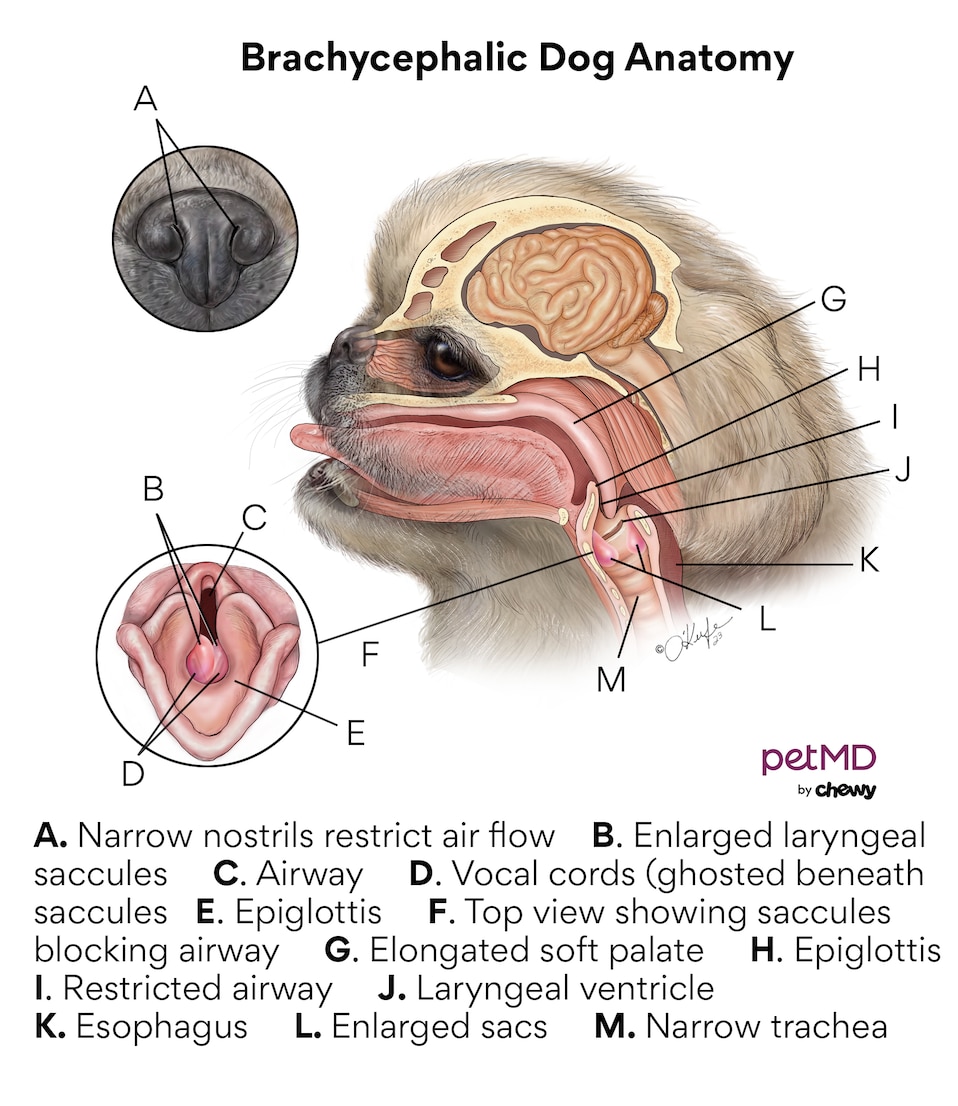
malformed airways
abnormal vertebrae and spinal instability
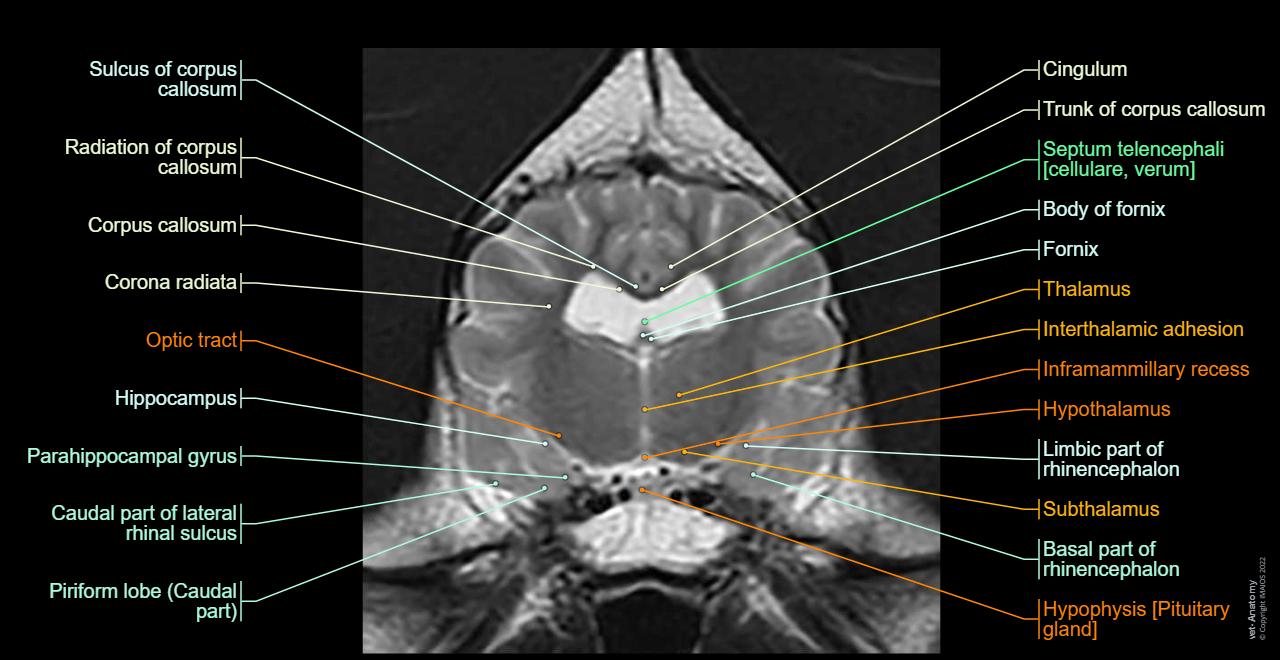
compressed neurologic structures
lifelong respiratory compromise
These are not complications that “went wrong.”
They are predictable outcomes of breeding choices.
Why Even Specialists Can’t “Fix It”
A neurologist or surgeon can:
remove pressure
stabilize tissue
reduce secondary damage
They cannot:
create space that never existed
normalize malformed bones
reverse genetic blueprint errors
Surgery can improve comfort or function to a point.
It cannot make an animal anatomically typical.
This is why phrases like “nothing more can be done” are so misunderstood.
It usually means:
“We have reached the biological limit of what medicine can correct.”
The French Bulldog Example (Because It’s the Most Visible)
French Bulldogs are often used as an example because the issues are obvious and well-documented.
Common realities include:
chronically restricted airways
skull shapes that crowd brain tissue
high rates of IVDD
early-onset neurologic signs
Many Frenchies receive excellent veterinary care and still struggle — not due to neglect, but because management ≠ cure.
This Is Not About Blaming Owners
Veterinarians are not accusing owners of wrongdoing.
Most owners:
love their pets deeply
seek care early
follow medical advice
The frustration comes from expectations that medicine cannot ethically or physically meet.
That tension is emotionally heavy for veterinary teams.
What Ethical Care Looks Like in These Cases
When problems are congenital and structural, veterinary care focuses on:
quality of life
symptom management
preventing secondary suffering
honest prognosis
That is not “giving up.”
That is responsible medicine.
Why Veterinarians Speak Carefully About This Topic
Because:
social media rewards oversimplification
nuance gets misread as indifference
honesty can sound harsh without context
This post exists to provide that context — once — so it doesn’t have to be repeated endlessly.
The Bottom Line
Some animals are born with problems that even the best medicine cannot fix.
Veterinarians know how to fix many things.
They also know when something cannot be fixed without causing harm.
That knowledge is not a failure.
It is expertise.
Reference Use
This post is intended as a reference explainer and may be linked when follow-up context is needed.
follow @thevetcsr -> https://www.facebook.com/thevetcsr/ or @thevetcsr on instagram.


No comments:
Post a Comment