

Six Additional Weeks of Winter: The Implications of Groundhog Day for Companion Animals
Punxsutawney Phil popped out, saw his shadow, and—surprise—declared six more weeks of winter. Cute. Ceremonial. Deeply Pennsylvanian.
But strip away the top hat and woodland theatre, and here’s the unvarnished truth:
extended winter conditions materially affect veterinary medicine—from caseloads and staffing to pet health trends and client behavior.
This isn’t folklore. This is ops, revenue, burnout, and animal welfare.
Let’s talk about what six more weeks of winter actually means for veterinary professionals.
1. Cold Weather = Predictable Case Surges (Plan for Them or Bleed)
Extended winter patterns reliably drive specific categories of veterinary visits. Clinics that anticipate this do better. Clinics that don’t? Chaos.
📈 Conditions that spike in late winter
Respiratory infections (kennel cough, feline URI)
Pets spend more time indoors → higher transmission
Arthritis flare-ups
Cold exacerbates joint pain in senior animals
Dermatitis & dry skin
Low humidity + indoor heating = itch city
Toxin exposure
Antifreeze poisoning (ethylene glycol) remains a real, ugly risk
Weight gain & metabolic issues
Less exercise, more treats, same judgmental scale
Operational takeaway:
If winter drags on, these don’t taper off in February—they stack.
👉 Clinics should:
Stock meds accordingly
Pre-emptively educate clients
Adjust appointment availability for chronic care cases
Winter isn’t “slow season.” It’s predictable demand wearing a parka.
2. Weather Anxiety Changes Client Behavior (and Not in Helpful Ways)
Clients act weird in winter. Scientifically proven* (by vibes and front-desk trauma).
❄️ What clinics actually see
Missed appointments due to snow, ice, or “it’s cold”
Last-minute emergencies because routine care was postponed
Financial stress → delayed diagnostics → worse outcomes
Increased reliance on Dr. Google and Facebook groups named things like
“Holistic Dog Moms of Illinois (NO VAXX)”
Groundhog logic (“winter’s still here”) reinforces hesitation:
“We’ll wait until spring.”
Spring then arrives with:
advanced disease
pissed-off staff
emotionally wrecked clients
CSR implication:
This is where communication matters. Not fluffy reassurance; clear, proactive guidance.
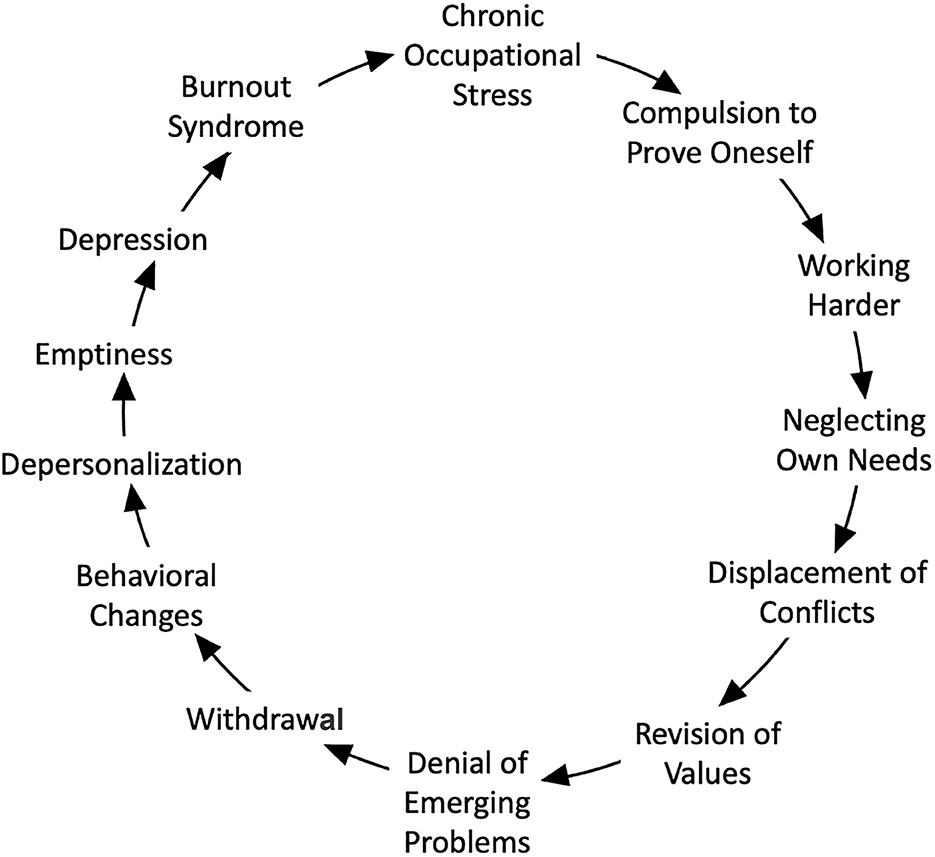
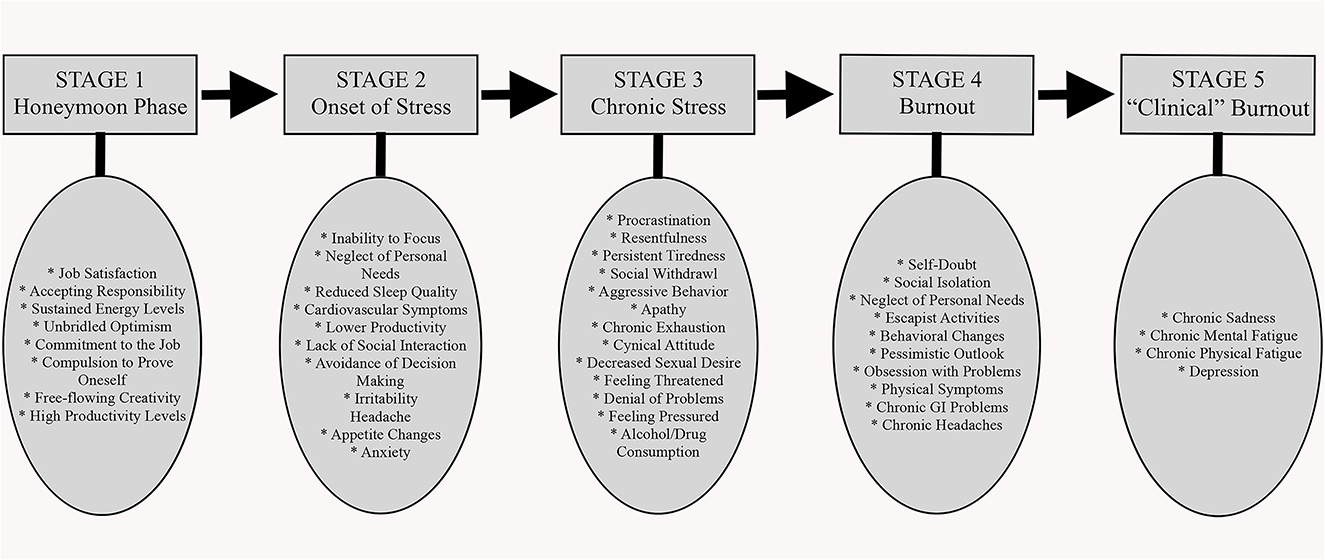
3. Veterinary Staff Burnout Peaks in Late Winter (Yes, Still)
By February:
Holidays are over
PTO is gone
Seasonal depression is peaking
Clinics are understaffed
And winter just… won’t… fuck… off
🧠 The human cost
Compassion fatigue intensifies
Sick days increase
Patience decreases
Turnover risk spikes
Six more weeks of winter isn’t just cold—it’s cumulative exhaustion.
Smart leadership response:
Flexible scheduling where possible
Micro-wins (shorter shifts, surprise lunches, mental-health days)
Clear internal communication (uncertainty fuels burnout)
Ignoring this doesn’t make it go away.
It just makes it show up as a resignation email.
4. Pet Safety Risks Increase the Longer Winter Drags On
Extended winter = prolonged exposure to environmental hazards.
🐕🐈 Common late-winter risks
Frostbite on ears, tails, paws
Dehydration (yes, still a thing in winter)
Indoor enrichment deficits → behavior issues
Escapes during storms → lost pets
This is where vet clinics become educators, not just service providers.
Proactive winter safety content:
Builds trust
Reduces emergencies
Positions clinics as community anchors
And yes—it drives engagement and appointments.
5. This Is a CSR Moment (Whether Clinics Use It or Waste It)
For veterinary CSRs, winter is the front line:
They hear the stress first
They absorb the frustration
They translate fear into action
Groundhog Day chatter is a hook.
But the value is in turning pop culture into practical guidance.
🧩 Smart content angles for clinics & vet brands
“Why winter colds hit pets harder than people”
“When to not wait until spring”
“Cold weather pain signs clients miss”
“How winter affects your pet’s mental health”
This isn’t marketing fluff.
It’s client education disguised as relevance.
🧠 The Bottom Line
Phil’s shadow isn’t science—but it aligns with reality this year:
winter isn’t done with us yet.
For veterinary medicine, that means:
Sustained demand, not a lull
Heightened client anxiety
Increased staff strain
Real risks for pets
Clinics that acknowledge this—openly, proactively, and strategically—will:
✔️ reduce preventable emergencies
✔️ support their teams better
✔️ retain clients through trust, not panic
The rest will just keep saying,
“Wow, it’s been really busy lately…”
Yeah. No shit. It’s winter.


No comments:
Post a Comment