
Sno’ Witty™ – The Veterinary Receptionist: Asking Better Questions – February 22, 2026
Veterinary Receptionist Podcast Companion Blog: The Unsung Heroes of the Clinic

🎙️ Episode Deep Dive: The Evolving Role of the Front Desk
This week, we were honored to host Dr. Morgan Hayes, a highly respected practicing veterinarian, for an insightful conversation that shed light on a crucial, yet often underestimated, position: the veterinary receptionist. The episode, "Asking Better Questions," moves beyond the traditional view of the front desk as mere "gatekeepers" and firmly establishes these professionals as essential, multi-faceted members of the veterinary care team. The discussion centered on how the skills and responsibilities of the veterinary receptionist are rapidly evolving to meet the demands of modern pet healthcare, particularly in response to the top three seismic shifts currently trending in the field.🐾 The Veterinary Receptionist: The Clinic's 'Nerve Center'
Dr. Hayes coined the perfect term for the front desk staff: the “nerve center” of the entire veterinary practice. They are the conduits through which all clinic operations, client communication, and patient care logistics flow. Their role is a dynamic blend of high-stakes triage, meticulous administration, and deeply empathetic client support.
Their indispensable responsibilities include:
Triage and Appointment Management: Far beyond simply scheduling, receptionists are the first line of defense, skillfully assessing the urgency of incoming calls and walk-ins to prioritize critical cases and effectively manage the doctor’s schedule.
Emotional First Aid: They provide crucial emotional support to worried, distressed, or grieving pet owners, acting as a calm anchor in moments of crisis. This requires high-level emotional intelligence and compassionate communication.
Medical Translation and Education: Receptionists are the critical link between the clinical team and the client, tasked with translating complex medical jargon (e.g., "febrile," "nystagmus," "neuter vs. spay") into clear, client-friendly language regarding diagnoses, treatment plans, and necessary follow-up care.
Administrative and Operational Excellence: They ensure the clinic runs smoothly through precise inventory management, accurate record-keeping, billing, and coordinating communication across all departments, balancing empathy with clinical efficiency.
🔥 Top Three Trending Issues Shaping the Veterinary Landscape (2025–2026)
The modern veterinary clinic is grappling with several complex challenges, all of which elevate the importance of the receptionist role:1. Telemedicine and Digital Health Expansion
The adoption of veterinary telehealth services has exploded, moving beyond simple prescription refills to full virtual consultations and remote monitoring. This expansion introduces new technological and logistical layers for the front desk.
The New Normal: Receptionists are now responsible for the seamless coordination of virtual appointments, managing new digital queues, and ensuring technology compatibility for both the doctor and the client.
Tip for Success: Proactive familiarization with all telehealth platforms and software (e.g., video conferencing tools, secure client portals) is non-negotiable. Develop "tech support" scripts to efficiently guide clients through connection issues and platform navigation. The goal is to make the virtual experience as stress-free as a physical visit.
2. Critical Staffing Shortages and Systemic Burnout
The veterinary industry is facing a widespread crisis of shortages among veterinary technicians, assistants, and doctors, leading to systemic strain on the existing team.
Increased Scope of Responsibility: Receptionists are often required to absorb expanded duties, which can range from more detailed patient history collection and preliminary client education to managing increased call volumes and client impatience.
Tip for Self-Preservation: Combating overwhelm requires both organizational structure and personal discipline. Set clear, professional boundaries (e.g., politely deferring clinical questions that require a doctor/tech to answer). Leverage workflow tools (e.g., automated reminders, efficient charting systems) to streamline repetitive tasks and protect precious time for critical duties.
3. The Complexities of Pet Insurance and Financial Conversations
As advanced veterinary care becomes more accessible, the cost of treatment and the use of pet insurance have become central to client interactions.
Financial Gatekeepers: Receptionists are now key players in these sensitive money talks. They must clearly explain treatment estimates, discuss payment options, and help clients navigate the often-confusing landscape of pet insurance coverage and deductibles.
Tip for Empathetic Communication: Always approach financial discussions with empathetic, non-judgmental language. Never assume a client's financial situation. The best practice is to provide detailed, written breakdowns of all costs and payment options before services are rendered to reduce client anxiety and prevent misunderstandings at checkout.
💡 Essential Actionable Tips for the Modern Veterinary Receptionist
To thrive in this dynamic environment, receptionists must continuously refine their communication and technical toolkits:
Scripting for Confidence: Develop and practice ready-to-use scripts for high-pressure situations: triaging emergency calls (e.g., "What is your pet doing right now?"), handling complex financial discussions, and offering consistent, compassionate emotional support.
Technology Mastery: Beyond the basic appointment book, become proficient in scheduling software, Customer Relationship Management (CRM) tools, and all telehealth/communication platforms. Utilizing tech streamlines tasks and frees up mental energy for client care.
Prioritizing Self-Care: The emotional demands of the front desk are immense. It is crucial to build "micro-breaks" into the workday—a few minutes away from the phone, a walk to the breakroom—to emotionally and mentally recharge, preventing compassion fatigue and burnout.
🚀 Looking Ahead: The Future is Bright and Dynamic
The veterinary receptionist role in 2026 is defined by its dynamism, skill, and critical impact. The integration of technology (telemedicine), the necessity of financial literacy, and the consistent demand for high-level emotional intelligence are no longer optional skills—they are core competencies. Receptionists are, without a doubt, the true front desk heroes driving client satisfaction and clinical efficiency.
Stay tuned for future episodes and companion blogs as we continue to celebrate, support, and empower veterinary receptionists across the globe.
CTA: We want to hear your stories! Share your own front desk hero moments in the comments below or tag us on social media with #thevetcsr to join the conversation and celebrate the backbone of veterinary medicine.

Veterinary Client Service Representatives (CSRs) are often the first — and sometimes only — people who initiate prevention conversations. When refill reminders aren’t mentioned, when fecal testing isn’t reinforced, when heartworm prevention is framed as optional or “summer-only,” small communication gaps turn into larger medical and operational problems.
Spring is when dormant parasites wake up.
It’s also when prevention scripts should wake up.
At the veterinary front desk, workflow, scripting, and education intersect. Resetting those conversations early in the season reduces crisis calls, protects patients, strengthens client trust, and supports medical teams before the lobby fills with itchy dogs and frustrated owners.
Below is a practical breakdown of how parasite season impacts front desk operations — and how to proactively lead the conversation instead of reacting to it.
Spring thaw means dormant eggs become active again.
Roundworms, hookworms, whipworms — their eggs survive winter conditions and reactivate in damp soil and mud. Even “indoor-only” dogs walk through contaminated areas during potty breaks.
Front desk reinforcement matters:
“When was your last fecal exam?”
“We recommend yearly testing — spring is a great time to check.”
“Even pets without symptoms can carry parasites.”
Clients often believe parasites are visible.
They are not.
Education starts at check-in, not diagnosis.
Mosquitoes do not consult the calendar.
One infected mosquito bite is enough to transmit heartworm disease. In many regions, temperature fluctuations allow mosquito survival longer than clients realize.
Front desk reset language:
“Are you current on heartworm prevention?”
“We recommend year-round prevention.”
“Let’s make sure you’re covered before peak mosquito season.”
Framing matters. Prevention should sound standard — not optional.
Hookworm and roundworm eggs can infect humans.
Children playing in contaminated soil or sandboxes are at risk of zoonotic transmission. Clients rarely connect their pet’s parasite prevention with family health.
Front desk awareness cue:
“Because parasites can affect people too, prevention is important for the whole household.”
This isn’t fear-based messaging.
It’s factual, responsible education.
One of the most common phrases CSRs hear:
“But I didn’t see worms.”
Most intestinal parasites are microscopic.
Routine fecal exams are not about visible symptoms. They are about early detection.
Script reinforcement:
“Parasites aren’t usually visible.”
“Testing helps us catch things early.”
“It’s part of routine preventive care.”
Normalize it. Don’t debate it.
Spring surge creates operational stress:
Increased diarrhea cases
Last-minute refill requests
Lapsed prevention reminders
Upset clients who “didn’t know”
Proactive refill communication reduces chaos.
Instead of waiting for the crisis call:
Mention prevention at check-out.
Confirm refill status during appointment reminders.
Include seasonal messaging in follow-up communications.
Prevention is smoother than recovery.
Parasite season exposes communication gaps.
When prevention conversations are consistent, scripted, and reinforced early:
Medical teams see fewer preventable cases.
Clients feel informed instead of surprised.
Workflows stay calmer.
Trust increases.
Spring parasites are predictable.
Front desk communication should be, too.
Prevention is easier than crisis management.
Follow for more real-world veterinary client communication strategy.
#TheVetCSR #VeterinaryReceptionist #VeterinaryMedicine #ParasitePrevention #HeartwormPrevention #FecalExam #VetLife #PracticeManagement #ClientEducation #Zoonosis #CSRTraining

(and yes, the front desk is absolutely part of medicine)
“If I ever get really sick, I’m going to a veterinarian, not a physician.”
It’s a joke…until it isn’t.
With colon cancer now being diagnosed more often in people under 50 and screening ages being pushed earlier, humans are finally starting to do what we’ve always done for our pets: look ahead instead of waiting for disaster to knock.
And that’s what this whole post is about.
If humans treated themselves the way we treat our animals—preventively, systematically, and with a team that actually reads the chart—would fewer people die young? I think yes.
But here’s the twist: none of that magic starts in the exam room.
It starts at the front desk.
You, the veterinary receptionist, are often the first and last set of eyes on that patient. You hear the “by the way” comments. You see the limp in the lobby. You smell the breath. You notice the weight gain before anyone puts the pet on a scale.
You are only as good as what you know.
So let’s talk about the why behind the Big Five—the five things we do in veterinary medicine that literally keep pets alive, and how understanding them helps you read a history, guide a conversation, and flag the right things for your techs and doctors.
Dental disease prevention
Obesity management
Parasite control
Infectious disease prevention through vaccination
Early detection via bloodwork and diagnostics
It’s February—Dental Month—so we’re starting with the mouth.
Teeth basics:
Adult dogs: 42 teeth
Adult cats: 30 teeth
Adult humans: 32 teeth (including wisdom teeth)
So yes, many of our patients are walking around with more teeth than we are. More tooth surface = more places for plaque, bacteria, and problems.
What is periodontal disease, really?
Periodontal disease is infection and inflammation of the tissues that support the tooth, the gums, ligaments, and the bone. It starts with plaque (a sticky film of bacteria) that forms on the tooth surface within hours after cleaning. If it’s not removed, it mineralizes into calculus (tartar). That rough surface holds even more bacteria. Over time: 12
Stage 1: Gingivitis—red, inflamed gums, but no bone loss yet.
Stage 2–4: Periodontitis—bone loss, deep pockets, loose teeth, pain, tooth root abscesses, and even jaw fractures in severe cases.
Why does this matter beyond “bad breath”?
The mouth is not a closed system. When gums are inflamed or ulcerated, bacteria have a direct highway into the bloodstream. From there, they can travel to: 3
Heart (endocarditis)
Kidneys
Liver
Other organs, contributing to systemic inflammation and disease
In humans, untreated dental infections can and do become life-threatening—sepsis, brain abscesses, and other complications. The same biology exists in pets; we just tend to intervene earlier because dentistry is (blessedly) more accessible in veterinary medicine.
Why cats and small dogs especially benefit from dental vigilance
Small breed dogs (Yorkies, Chihuahuas, Dachshunds, etc.) have crowded mouths in tiny jaws. Crowding traps plaque and accelerates periodontal disease. Tiny teeth = big problems.
Cats are prone to resorptive lesions and severe gingivitis/stomatitis—conditions that are excruciating and often under-recognized by owners. Tiny teeth= big problems.
Both can have significant disease long before the owner notices anything beyond “their breath is a little bad.”
As a veterinary client service representative, when you see:
A tiny dog with “fishy” breath and tartar at check-in
A cat who’s dropping kibble or only licking gravy
A senior pet who’s “just not eating like they used to”
…you’re not just checking a box.
You’re spotting a potential systemic disease source. That’s life-saving.

“You are what you eat” hits different when you’re the one entering the weight in the chart every year.
Here’s the uncomfortable truth:
Humans often treat obesity like an aesthetics issue. “Do I look fat?”
In veterinary medicine, we treat it like what it is: a medical condition that shortens life.
Why weight matters in pets:
Shortened lifespan: Even mild excess weight has been associated with shorter lifespans in dogs.
Joint disease: Extra weight = extra load on joints = earlier and more severe arthritis. Think, if the dog doesn't have that curve from body to butt, it's probably got too many curves. They walk on all fours, their joints can't handle obesity.
Metabolic disease: Increased risk of diabetes (especially in cats), pancreatitis, and other inflammatory conditions. Did i mention especially in cats?
Respiratory and cardiac strain: More work for the heart and lungs, especially in brachycephalic breeds.
Body Condition Score (BCS) is our truth-teller.
Instead of fixating on the number on the scale, we use a 1–9 or 1–5 BCS chart. Ideal is usually 4–5/9:
You can feel the ribs without digging.
There’s a visible waist from above.
There’s a tuck from the side.
As a receptionist, you can:
Get an ACCURATE weight, by weighing the pet yourself. Yes, you can get up and do that.
Notice when “Oh, he just loves treats” has turned into a two-point BCS jump.
Gently normalize weight conversations:
“I see Fluffy gained a couple pounds since last year—great time to ask the doctor about a feeding plan.”
Connect food, treats, and table scraps to real health outcomes, not shame.
We are meticulous about what pets can’t eat (grapes, chocolate, xylitol), but we often ignore the slow, quiet damage of chronic overfeeding. Obesity isn’t a vibe—it’s a risk factor.
If everyone used veterinarians for parasite control, a lot of human public health problems would look very different. (Half-joking. Mostly.)
Parasites aren’t just “gross.” They’re a three-way problem:
For the pet: Itching, anemia, GI upset, organ damage.
For the household: Flea infestations, environmental contamination.
For humans: Many parasites are zoonotic—meaning they can infect people.
Common culprits:
Fleas: Cause itching, flea allergy dermatitis, can transmit tapeworms and other diseases.
Ticks: Transmit Lyme disease, Ehrlichia, Anaplasma, and more.
Heartworm: Spread by mosquitoes; causes severe, often fatal heart and lung disease in dogs and increasingly recognized in cats.
Intestinal parasites: Roundworms, hookworms, whipworms, Giardia, etc.—some of which can infect humans, especially children.
As a receptionist, you’re often the one who:
Asks about heartworm and flea/tick prevention at check-in.
Notices “scooting,” potbellies in puppies, or chronic soft stool in the history.
Hears, “We stopped prevention over the winter” or “He’s indoor-only” (hello, mosquitoes and litterbox parasites).
Parasite prevention isn’t just a product sale. It’s disease control—for the pet and the family.
Yes, we have vaccine skeptics in veterinary medicine too. But overall, people don’t skip puppy and kitten vaccines the way humans skip their own boosters.
Why do we bring puppies and kittens back for multiple rounds of vaccines, especially for things like distemper and parvo?
Because of maternal antibodies and timing.
Baby animals get antibodies from their mother (via placenta and especially milk).
Those antibodies protect them early on—but they also interfere with vaccines.
We don’t know exactly when those maternal antibodies will drop low enough for the vaccine to “take,” so we give a series of boosters every 3–4 weeks until about 16 weeks of age.
That’s why “just one shot” at 8 weeks is not enough. The pyrantel that we give the puppies to deworm them, tastes like bananas and is completely safe. So safe, if you feel wormy take your own dose, jk. Go to a doctor...
As a receptionist, you can:
Explain why the series matters, not just “because the doctor said so.”
Reinforce timing: “We really want to keep these on schedule so your puppy is fully protected.”
Connect vaccines to real diseases: parvo, distemper, panleukopenia, rabies—not abstract “shots.” When people say their dog does not need a rabies vaccine, they are saying "I rely on everyone else to be responsible and have their dog vaccinated, so I can live in my own world and not pay for this vaccine." Rabies= Death in < 3 days. Fact. Rabies HAS been spotted in Illinois. Also facts.
Coughing/Sneezing: Room right away, could be infectious, if it's a senior dog, it's probably heart related. How well do you know that pet's history? Room any dog or cat that's sneezing or coughing, it's about appearance too. Reverse sneezing alert the Vet. Alert the vet anyway. Other owners don't know what you know.
You’re not just booking “puppy visit #2.” You’re helping build an immune system on schedule. People don't have money for you to make mistake on their pets vaccines schedules. SAY TWO WEEKS (MAX IS 3). Then make sure they know if they miss part of the "series" they will have to restart the entire set, pay for the office visit all over again (basically throwing money away). Take vaccine series SERIOUSLY. These pets are compromised in the time between vaccines. c
This is where veterinary medicine quietly flexes.
We don’t wait for a senior pet to crash before we run labs. We build baselines and watch for change.
Typical core labs:
CBC (Complete Blood Count): Looks at red cells, white cells, platelets—anemia, infection, inflammation, clotting issues.
Chemistry panel: Evaluates organs (liver, kidneys, pancreas), electrolytes, proteins, blood sugar.
Urinalysis: Adds context to kidney and metabolic health. Blood in urine or stool = red flag.
For senior pets, many clinics recommend:
Wellness bloodwork once or twice a year, depending on age and health status.
Pre-anesthetic panels before any procedure requiring sedation or anesthesia—especially in older or higher-risk patients.
IDEXX and other labs offer senior profiles that bundle CBC, chemistry, thyroid, and more, giving doctors a detailed snapshot of internal health.
As a receptionist, you’re often the one who:
Explains why “just a dental” still needs pre-anesthetic bloodwork. Because anesthesia is INCREDIBLY dangerous. (for humans too)
Normalizes twice-yearly senior visits: “Things can change quickly as they age; this helps us catch issues early.” A pets bloodwork can go from 100% fabulous to renal failure in two weeks.
Flags patterns in the history: increased drinking/urination, weight loss, vomiting, behavior changes—things that scream “run labs” to a medical team. READ the notes the other Veterinary CSRS left for you. That's what it is, your insider code is in the history.
Early detection isn’t just a slogan. It’s the difference between catching kidney disease at a manageable stage…or meeting it for the first time in crisis.
AI, genetic testing, fancy diagnostics? none of it matters if we don’t understand the basics of medicine and the context of the patient sitting in front of us.
Context =
What the owner says
What the chart says
What you observe
People lie. Sometimes on purpose, sometimes because they genuinely don’t connect the dots.
Pets can’t talk.
You are the translator.
When you understand why we care about teeth, weight, parasites, vaccines, and bloodwork, you stop being “just the receptionist” and start being what you actually are:
A medical professional at the front line of prevention.
You are only as good as what you know.
And the more you know, the more lives you quietly help save—one history, one question, one “Hey, can you take a look at this?” at a time.
1Periodontal Disease in Small Animals - MSD Veterinary Manual. https://www.msdvetmanual.com/digestive-system/dentistry-in-small-animals/periodontal-disease-in-small-animals
2Periodontal Disease in Dogs and Cats - Veterinary Partner - VIN. https://veterinarypartner.vin.com/default.aspx?pid=19239&id=4951292
3Dental Disease and Its Relation to Systemic Disease in Pets. https://vcahospitals.com/know-your-pet/dental-disease-and-its-relation-to-systemic-disease-in-pets
Researched By: Emily Ridyard
Date: February 6th, 2026
This article is part of The Vet CSR resource series on veterinary front desk communication, CSR training, and client trust in vet clinics.

If you work the front desk in a veterinary clinic, you already know this truth:
People don’t call because they want a service.
They call because they’re anxious, unsure, guilty, confused — or all four.
Marketing doesn’t end when an ad runs.
It lands squarely on the CSR.
This playbook is designed for veterinary receptionists and CSRs who want to turn marketing messages into calm conversations — and calm conversations into booked appointments — without pressure, guilt, or corporate nonsense.
Pet owners don’t need to be sold.
They need to feel safe enough to act.
Every piece of communication — ads, phone calls, emails, texts, DMs, and front-desk conversations — should quietly answer three questions:
• Is this for me?
• Will I be judged or pressured?
• What do I do next?
If your message doesn’t answer all three, it’s not finished yet.

This framework applies to:
• Marketing ads
• Phone calls
• Booking confirmations
• Emails and texts
• In-person front-desk conversations
The opening sets the emotional tone of the entire interaction.
Before clients care about medicine, pricing, or policies, they need to feel normal — not late, not irresponsible, not judged.
CSR-approved opening language includes:
“A lot of pet parents tell us they’ve been meaning to call.”
“You’re definitely not the only one with this question.”
“That’s actually very common.”
What you’re really communicating is:
You’re not behind. You’re not bad. You’re doing the right thing.
That single shift lowers resistance immediately.
This is where most clinics unintentionally lose trust.
Listing services doesn’t calm people.
Explaining the process does.
Instead of focusing on features, CSRs should focus on outcomes and experience.
Wellness Exam Example
Instead of saying:
“We do an exam, vaccines, fecal, and bloodwork.”
Try:
“We start with a full nose-to-tail exam, explain what we’re seeing, and help you decide what makes sense today versus what can wait.”
That language reframes care as a conversation — not a sales pitch.
Dental Inquiry Example
“Dental disease usually starts quietly, so we check for early signs and talk through options before it becomes painful or expensive.”
This approach:
• Educates
• Reduces fear
• Builds trust
People are far more likely to act when the next step feels low-pressure and clear.
CSR-friendly call-to-action language includes:
“The next step would be…”
“What most people do is…”
“If you’d like, we can…”
Examples:
“I can help you schedule now, or you’re welcome to book online.”
“We can pencil you in and adjust if needed.”
“Would you like to schedule today, or take a day to think it over?”
Giving permission to pause often increases commitment.
Wellness Exam Campaign
Putting off your pet’s checkup because life got busy?
You’re not alone.
Our wellness visits focus on clear answers, honest options, and care that fits your life — no pressure, no judgment.
Book your pet’s wellness exam today.
CSR bridge on the phone:
“That visit is really about getting a baseline and answering your questions.”
Dental Awareness Campaign
Bad breath isn’t just unpleasant — it’s often the first sign of dental disease.
Early exams help prevent pain and costly procedures later.
CSR reassurance:
“We’ll explain everything before any decisions are made.”
Cat-Friendly / Low-Stress Visits
Cats don’t hide illness — they hide stress.
Our team focuses on calm handling, quiet spaces, and efficient visits to reduce anxiety for cats and their humans.
CSR follow-up line:
“I’ll add a note that your cat is anxious so the team is prepared.”
That sentence alone builds enormous trust.
Certain phrases instantly trigger defensiveness:
“That’s our policy.”
“You have to.”
“It’s required.”
“That’s just how it is.”
Replace them with:
“Here’s why we recommend that…”
“What works best for most pets is…”
“Let me explain the reasoning.”
Language matters more than people realize.
When cost anxiety, guilt, or defensiveness appears, use this:
“You’re doing the right thing by asking. Let’s take this one step at a time.”
That sentence alone can save a call.
You are not “just the front desk.”
You are the emotional translator of veterinary medicine.
When communication is done well:
• Calls feel easier
• Clients are calmer
• Compliance improves
• Burnout decreases — including yours
That’s not marketing theory.
That’s front-desk reality.
More clinic-ready CSR tools, scripts, and resources coming soon from The Vet CSR.
If you’re a practice manager or clinic owner, a companion article breaks down why CSR language directly impacts revenue, compliance, and staff retention.

Punxsutawney Phil popped out, saw his shadow, and—surprise—declared six more weeks of winter. Cute. Ceremonial. Deeply Pennsylvanian.
But strip away the top hat and woodland theatre, and here’s the unvarnished truth:
extended winter conditions materially affect veterinary medicine—from caseloads and staffing to pet health trends and client behavior.
This isn’t folklore. This is ops, revenue, burnout, and animal welfare.
Let’s talk about what six more weeks of winter actually means for veterinary professionals.
Extended winter patterns reliably drive specific categories of veterinary visits. Clinics that anticipate this do better. Clinics that don’t? Chaos.
Respiratory infections (kennel cough, feline URI)
Pets spend more time indoors → higher transmission
Arthritis flare-ups
Cold exacerbates joint pain in senior animals
Dermatitis & dry skin
Low humidity + indoor heating = itch city
Toxin exposure
Antifreeze poisoning (ethylene glycol) remains a real, ugly risk
Weight gain & metabolic issues
Less exercise, more treats, same judgmental scale
Operational takeaway:
If winter drags on, these don’t taper off in February—they stack.
Stock meds accordingly
Pre-emptively educate clients
Adjust appointment availability for chronic care cases
Winter isn’t “slow season.” It’s predictable demand wearing a parka.
Clients act weird in winter. Scientifically proven* (by vibes and front-desk trauma).
Missed appointments due to snow, ice, or “it’s cold”
Last-minute emergencies because routine care was postponed
Financial stress → delayed diagnostics → worse outcomes
Increased reliance on Dr. Google and Facebook groups named things like
“Holistic Dog Moms of Illinois (NO VAXX)”
Groundhog logic (“winter’s still here”) reinforces hesitation:
“We’ll wait until spring.”
Spring then arrives with:
advanced disease
pissed-off staff
emotionally wrecked clients
CSR implication:
This is where communication matters. Not fluffy reassurance; clear, proactive guidance.
By February:
Holidays are over
PTO is gone
Seasonal depression is peaking
Clinics are understaffed
And winter just… won’t… fuck… off
Compassion fatigue intensifies
Sick days increase
Patience decreases
Turnover risk spikes
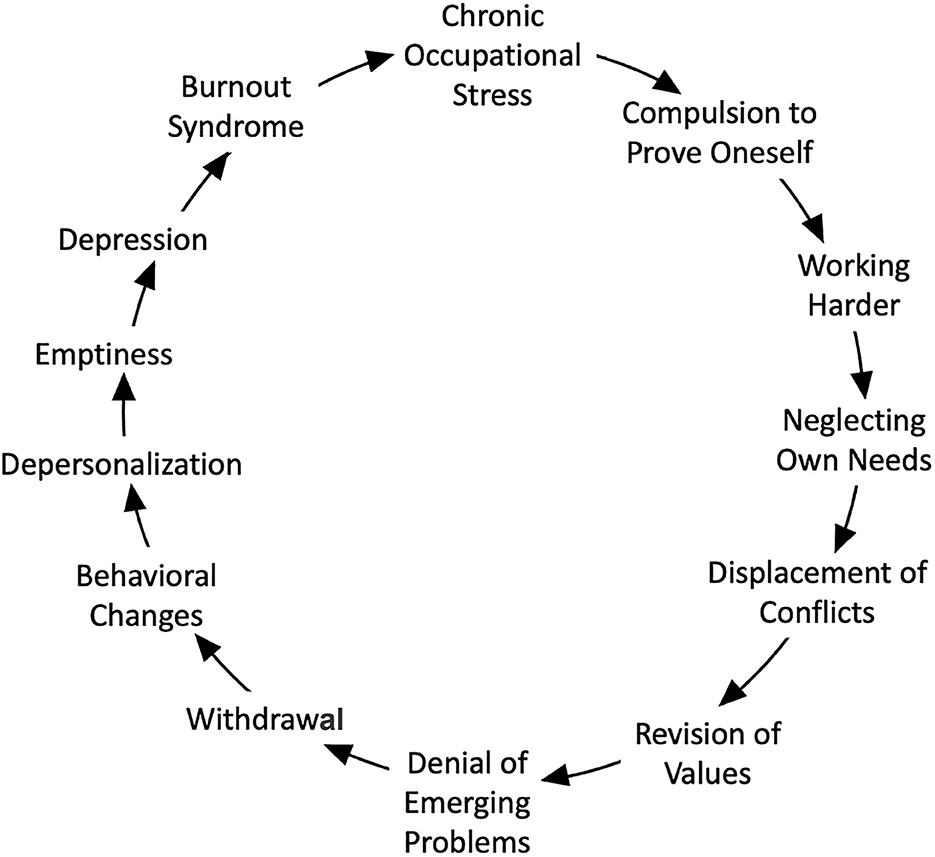
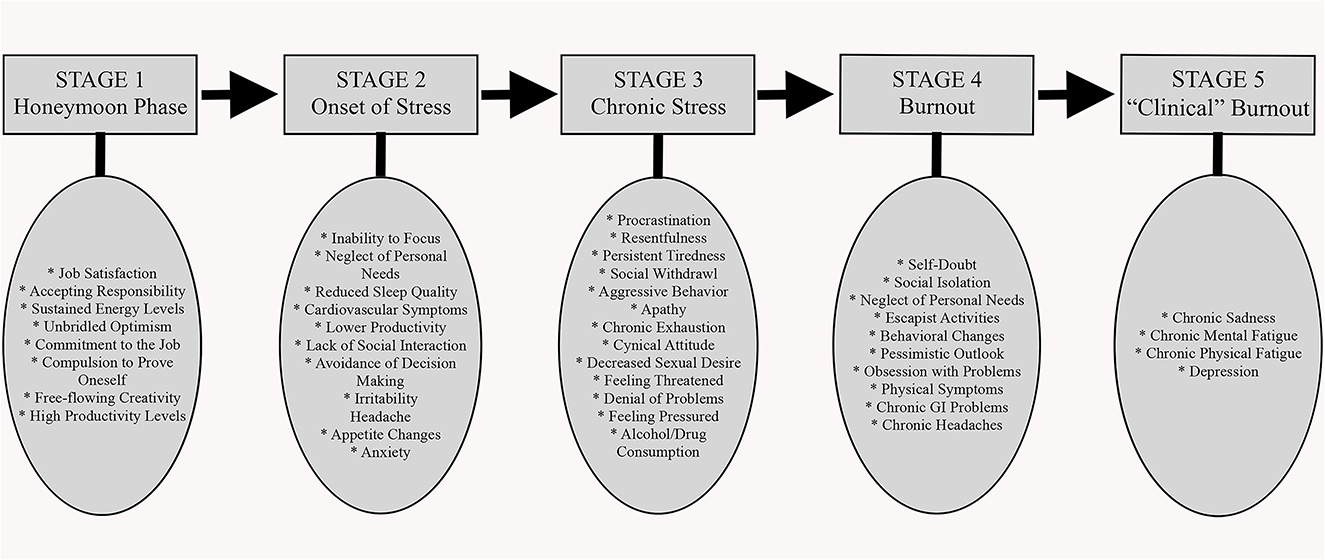
Six more weeks of winter isn’t just cold—it’s cumulative exhaustion.
Smart leadership response:
Flexible scheduling where possible
Micro-wins (shorter shifts, surprise lunches, mental-health days)
Clear internal communication (uncertainty fuels burnout)
Ignoring this doesn’t make it go away.
It just makes it show up as a resignation email.
Extended winter = prolonged exposure to environmental hazards.
Frostbite on ears, tails, paws
Dehydration (yes, still a thing in winter)
Indoor enrichment deficits → behavior issues
Escapes during storms → lost pets
This is where vet clinics become educators, not just service providers.
Proactive winter safety content:
Builds trust
Reduces emergencies
Positions clinics as community anchors
And yes—it drives engagement and appointments.
For veterinary CSRs, winter is the front line:
They hear the stress first
They absorb the frustration
They translate fear into action
Groundhog Day chatter is a hook.
But the value is in turning pop culture into practical guidance.
“Why winter colds hit pets harder than people”
“When to not wait until spring”
“Cold weather pain signs clients miss”
“How winter affects your pet’s mental health”
This isn’t marketing fluff.
It’s client education disguised as relevance.
Phil’s shadow isn’t science—but it aligns with reality this year:
winter isn’t done with us yet.
For veterinary medicine, that means:
Sustained demand, not a lull
Heightened client anxiety
Increased staff strain
Real risks for pets
Clinics that acknowledge this—openly, proactively, and strategically—will:
✔️ reduce preventable emergencies
✔️ support their teams better
✔️ retain clients through trust, not panic
The rest will just keep saying,
“Wow, it’s been really busy lately…”
Yeah. No shit. It’s winter.
Researched By: Emily Ridyard (December 20th, 2025)
Published: February 3rd, 2026

An In-Depth Analysis of Costs (End of 2025-2026)
The cost of veterinary care for puppies is a significant consideration for pet owners, especially in the Northwest Suburbs of Chicago, an area characterized by a high density of private veterinary hospitals and clinics. As of December 2025, the landscape of veterinary pricing has been shaped by inflation, increased operational costs, and evolving consumer expectations for quality and convenience. This report provides a comprehensive, evidence-based analysis of estimated prices for core puppy vaccines and common veterinary procedures, focusing exclusively on private hospitals and clinics (excluding low-cost and mobile clinics) in the target region. The analysis draws on authoritative sources, including the American Veterinary Medical Association (AVMA), DVM360, Gitnux, Coherent Market Insights, ConsumerAffairs, CareCredit, MarketWatch, and recent local data, to ensure accuracy and relevance. Special attention is given to comparative pricing across Cook, Will, and Lake Counties, as well as itemized estimates for complex surgical procedures.
Regional Context: Veterinary Care in the Northwest Suburbs of Chicago
The Northwest Suburbs of Chicago—encompassing communities such as Elk Grove Village, Schaumburg, Arlington Heights, and Palatine—are home to a robust network of AAHA-accredited veterinary hospitals and specialty clinics. These facilities typically offer a full suite of preventive, diagnostic, and surgical services, with pricing reflecting both the high cost of living and the demand for advanced care in the region oaktonanimalhospital.com thrivepetcare.com. Unlike low-cost or mobile clinics, private practices in this area emphasize individualized care, comprehensive diagnostics, and adherence to best practices, all of which contribute to higher service fees.
Recent economic analyses indicate that veterinary service prices in the Midwest, and particularly in metropolitan Chicago, have risen steadily over the past several years, with a 4–6% annual increase attributed to inflation, labor shortages, and investment in new technologies vhma.org dvm360.com. This trend is expected to continue into 2026, making it essential for pet owners to budget accordingly for both routine and emergency care.
Methodology and Data Sources
This report synthesizes data from a wide range of reputable sources, including:
All estimates are current as of December 2025 and reflect the best available data for private veterinary hospitals and clinics in the target region.
Section 1: Wellness Visit / First Visit
Estimated Price Range
Service Type | Estimated Price (Dec 2025) | Notes |
Wellness/First Visit | $85 – $150 | Excludes vaccines; includes physical exam |
The cost of a puppy’s initial wellness visit in the Northwest Suburbs of Chicago typically ranges from $85 to $150 at private veterinary hospitals and clinics. This fee covers a comprehensive physical examination, review of medical history, and consultation on preventive care, but does not include the cost of vaccines, diagnostic tests, or medications newchoicehealth.com articles.hepper.com consumeraffairs.com.
Analysis and Context:
The price for a first wellness visit reflects the high standard of care provided by private clinics in the region. Facilities such as Oakton Animal Hospital in Elk Grove Village and other AAHA-accredited practices routinely charge within this range, with higher fees associated with extended appointment times, advanced diagnostics, or new client intake procedures oaktonanimalhospital.com. The ConsumerAffairs 2025 report notes that the national average for a dog’s vet visit is $214, but this figure often includes bundled services; in the Chicago area, the standalone exam fee is more commonly in the $85–$150 range, with some clinics offering discounts for new clients or bundled wellness packages consumeraffairs.com.
Section 2: DHPP+L (Distemper, Hepatitis, Parvovirus, Parainfluenza, Leptospirosis) Puppy Vaccine Series
Estimated Price Range
Vaccine Series (3 rounds) | Estimated Price (Dec 2025) | Per Dose Estimate | Notes |
DHPP+L (3 rounds) | $180 – $300 | $60 – $100 | Administered at 6–8, 10–12, 14–16 wks |
Analysis and Context:
The DHPP+L vaccine series is a core component of puppy preventive care, typically administered in three rounds between 6 and 16 weeks of age. Each dose at a private clinic in the Northwest Suburbs costs $60–$100, with the full series totaling $180–$300 vetcoclinics.com thepricer.org topdogtips.com. This pricing is consistent with national averages and reflects the inclusion of leptospirosis, which is now considered a core vaccine in many regions due to increased prevalence.
The cost per dose may be higher at private hospitals compared to low-cost clinics, but this is offset by the inclusion of a physical exam, individualized risk assessment, and post-vaccination monitoring. Some clinics offer bundled puppy wellness packages that include the full vaccine series, deworming, and fecal testing for a discounted total fee.
Section 3: Rabies Vaccine (1-Year and 3-Year), Including County Taxes
Rabies 1-Year Vaccine (Including County Tag Fees)
County | Vaccine Fee (Clinic) | Tag Fee (Spayed/Neutered) | Tag Fee (Intact) | Total (Spayed/Neutered) | Total (Intact) |
Cook | $30 – $50 | $6 | $6 | $36 – $56 | $36 – $56 |
Will | $30 – $50 | $15 | $40 | $45 – $65 | $70 – $90 |
Lake | $30 – $50 | $20 | $60 | $50 – $70 | $90 – $110 |
Analysis and Context:
The rabies vaccine is legally required for all dogs in Illinois, with the first dose typically administered at 12–16 weeks of age. Private clinics in the Northwest Suburbs charge $30–$50 for the vaccine itself, with an additional county-mandated tag fee that varies by jurisdiction and the pet’s spay/neuter status insurabbit.com cookcountyil.gov willcounty.gov.
These fees are collected by the clinic at the time of vaccination and remitted to the county. The total cost for a rabies vaccination and registration in December 2025 ranges from $36 to $110, depending on county and spay/neuter status.
Rabies 3-Year Vaccine
County | Vaccine Fee (Clinic) | Tag Fee (Spayed/Neutered) | Tag Fee (Intact) | Total (Spayed/Neutered) | Total (Intact) |
Cook | $40 – $60 | $18 | $18 | $58 – $78 | $58 – $78 |
Will | $40 – $60 | $35 | $90 | $75 – $95 | $130 – $150 |
Lake | $40 – $60 | $60 | $60 | $100 – $120 | $100 – $120 |
Analysis and Context:
T
he 3-year rabies vaccine is available for adult dogs who have previously received a 1-year vaccine. The vaccine fee at private clinics is typically $40–$60, with higher county tag fees for the extended duration. The total cost for a 3-year rabies vaccine and registration ranges from $58 to $150, with the highest fees in Will County for intact dogs cookcountyil.gov willcounty.gov.
Section 4: Leptospirosis Vaccine
Estimated Price Range
Service Type | Estimated Price (Dec 2025) | Notes |
Leptospirosis (per dose) | $30 – $65 | Two-dose initial series, then annual |
Leptospirosis (series) | $60 – $130 | Initial series (2 doses) |
Analysis and Context:
The leptospirosis vaccine is increasingly recommended as a core vaccine in the Midwest due to the prevalence of the disease in urban and suburban environments. Private clinics charge $30–$65 per dose, with the initial series requiring two doses spaced 2–4 weeks apart, for a total of $60–$130 lemonade.com vety.com vetcoclinics.com. Annual boosters are required to maintain immunity. The higher end of the price range is typical for clinics that include a physical exam and post-vaccination monitoring.
Section 5: Lyme Disease Vaccine
Estimated Price Range
Service Type | Estimated Price (Dec 2025) | Notes |
Lyme (per dose) | $30 – $65 | Two-dose initial series, then annual |
Lyme (series) | $60 – $130 | Initial series (2 doses) |
Analysis and Context:
The Lyme disease vaccine is considered a non-core vaccine but is strongly recommended for dogs in tick-endemic areas, including the Northwest Suburbs of Chicago. The cost per dose at private clinics is $30–$65, with the initial series totaling $60–$130 lemonade.com vetcoclinics.com. Annual boosters are recommended for continued protection. Clinics may offer the vaccine as part of a bundled package with other tick-borne disease prevention services.
Section 6: Fecal Testing
Estimated Price Range
Test Type | Estimated Price (Dec 2025) | Notes |
Fecal Flotation (in-house) | $25 – $50 | Most common screening test |
Fecal Antigen Test | $40 – $80 | For Giardia, Cryptosporidium, etc. |
Fecal PCR (send-out) | $75 – $200 | For advanced pathogen detection |
Analysis and Context:
Fecal testing is a routine part of puppy wellness care, used to screen for intestinal parasites. The most common test, fecal flotation, costs $25–$50 at private clinics. More advanced tests, such as fecal antigen assays or PCR panels, range from $40 to $200, depending on the complexity and whether the sample is sent to an outside laboratory iere.org vetcoclinics.com articles.hepper.com. Many clinics include a basic fecal test in their puppy wellness packages.
Section 7: CBC and CBC + CHEM (Bloodwork)
Estimated Price Range
Test Type | Estimated Price (Dec 2025) | Notes |
CBC (Complete Blood Count) | $60 – $120 | In-house or send-out |
CBC + CHEM Panel | $100 – $200 | Comprehensive bloodwork |
Analysis and Context:
Bloodwork is often recommended prior to anesthesia, during illness, or as part of a comprehensive wellness assessment. A standalone CBC costs $60–$120 at private clinics, while a combined CBC + Chemistry Panel (which evaluates organ function, electrolytes, and metabolic status) ranges from $100–$200 vety.com vetcoclinics.com articles.hepper.com. Prices are higher for senior pets or when additional specialized tests are required.
Section 8: Heartworm 4DX Test
Estimated Price Range
Test Type | Estimated Price (Dec 2025) | Notes |
Heartworm 4DX Test | $50 – $90 | Includes tick-borne disease screening |
Analysis and Context:
The Heartworm 4DX test screens for heartworm disease as well as Lyme, Ehrlichia, and Anaplasma infections. Private clinics in the Northwest Suburbs charge $50–$90 for this test, with the price reflecting both the cost of the test kit and the professional interpretation of results reddit.com vetexplainspets.com vetcoclinics.com. Some clinics offer discounts when the test is bundled with annual wellness exams or preventive care packages.
Section 9: Bordetella Vaccine (Injectable and Intranasal)
Estimated Price Range
Vaccine Type | Estimated Price (Dec 2025) | Duration | Notes |
Bordetella (Injectable, 1 yr) | $25 – $60 | 1 year | For kennel cough prevention |
Bordetella (Intranasal, 6 mo) | $25 – $60 | 6 months | Faster onset, shorter duration |
Analysis and Context:
The Bordetella vaccine is recommended for dogs that are boarded, attend daycare, or are otherwise exposed to groups of dogs. The injectable form provides one year of protection and costs $25–$60 per dose at private clinics. The intranasal form offers faster immunity but typically requires re-administration every six months, at a similar per-dose price lemonade.com vetcoclinics.com topdogtips.com. Some clinics may charge a premium for the intranasal vaccine due to higher supply costs or increased handling time.
Section 10: Spay Procedure (Including Anesthesia and Waste/Disposal Fees)
Estimated Price Range
Dog Size / Age | Estimated Price (Dec 2025) | Notes |
Small dog (<25 lbs) | $500 – $700 | Includes anesthesia, monitoring, fees |
Medium dog (25–50 lbs) | $600 – $800 | |
Large dog (51–100 lbs) | $700 – $1,000 | |
Giant breed (>100 lbs) | $900 – $1,400 |
Analysis and Context:
The spay procedure (ovariohysterectomy) is a major surgical intervention requiring general anesthesia, sterile technique, and post-operative monitoring. At private hospitals in the Northwest Suburbs, the cost ranges from $500 to $1,400, depending on the dog’s size, age, and any complicating factors (such as being in heat or overweight) articles.hepper.com consumeraffairs.com. This fee typically includes anesthesia, surgical supplies, waste/disposal fees, and a brief period of post-operative hospitalization. Pre-surgical bloodwork, pain medications, and e-collars may be billed separately.
Section 11: Surgery Estimates – Itemized Invoices
11.1 Foreign Body Removal (Dog)
Item/Service | Estimated Price (Dec 2025) |
Initial Exam/Consultation | $100 – $150 |
Pre-op Bloodwork (CBC+CHEM) | $100 – $200 |
Abdominal X-rays/Ultrasound | $250 – $500 |
Anesthesia | $300 – $600 |
Surgical Procedure | $2,000 – $5,000 |
Hospitalization (1–3 days) | $600 – $1,500 |
Medications (IV, oral) | $150 – $400 |
Post-op Care/Follow-up | $100 – $250 |
Waste/Disposal Fees | $50 – $100 |
Total Estimate | $3,600 – $8,600 |
Analysis and Context:
Foreign body removal is a complex surgical procedure often required when a dog ingests an object that causes a gastrointestinal obstruction. The total cost at a private hospital in the Northwest Suburbs ranges from $3,600 to $8,600, with the majority of cases falling between $4,000 and $7,000 cost.sidecarhealth.com. The wide range reflects variability in surgical complexity, length of hospitalization, and the need for intensive post-operative care. Emergency or after-hours surgery may incur additional fees.
11.2 Blocked Male Cat (Urinary Obstruction)
Item/Service | Estimated Price (Dec 2025) |
Initial Exam/Consultation | $100 – $150 |
Bloodwork (CBC+CHEM) | $100 – $200 |
Urinalysis | $40 – $80 |
X-rays/Ultrasound | $200 – $400 |
Catheterization/Sedation | $400 – $1,000 |
Hospitalization (2–5 days) | $800 – $2,000 |
IV Fluids/Medications | $300 – $800 |
Post-op Care/Follow-up | $100 – $250 |
Waste/Disposal Fees | $50 – $100 |
Total Estimate | $2,100 – $4,980 |
Analysis and Context:
Treatment for a blocked male cat (feline urinary obstruction) is a life-saving emergency requiring immediate intervention. The total cost at a private hospital ranges from $2,100 to $4,980, with most cases in the $2,500–$4,000 range catbloomhaven.com. Costs are higher if surgery (perineal urethrostomy) is required or if complications arise. The estimate includes all necessary diagnostics, catheterization, hospitalization, and supportive care.
11.3 TPLO (Tibial Plateau Leveling Osteotomy) – Dog
Item/Service | Estimated Price (Dec 2025) |
Initial Exam/Consultation | $150 – $250 |
Pre-op Bloodwork (CBC+CHEM) | $100 – $200 |
Pre-op X-rays | $250 – $500 |
Anesthesia | $400 – $800 |
Surgical Procedure (TPLO) | $3,500 – $6,500 |
Implants/Plates/Screws | Included in above |
Hospitalization (1–3 days) | $600 – $1,200 |
Post-op Medications | $200 – $400 |
Post-op Care/Follow-up | $200 – $400 |
Waste/Disposal Fees | $50 – $100 |
Total Estimate | $5,450 – $10,350 |
Analysis and Context:
TPLO surgery is a specialized orthopedic procedure to repair a torn cranial cruciate ligament in dogs. The total cost at a private specialty hospital in the Northwest Suburbs ranges from $5,450 to $10,350, with most cases falling between $6,000 and $8,000 forbes.com. The estimate includes all pre-operative diagnostics, anesthesia, surgical implants, hospitalization, and post-operative care. Physical therapy or rehabilitation, if recommended, is typically billed separately.
Section 12: Comparative Pricing Across Cook, Will, and Lake Counties
Vaccine and Test Price Comparison Table
Service/Test | Cook County | Will County | Lake County |
Rabies 1-Year (w/ tag, S/N) | $36 – $56 | $45 – $65 | $50 – $70 |
Rabies 3-Year (w/ tag, S/N) | $58 – $78 | $75 – $95 | $100 – $120 |
DHPP+L (per dose) | $60 – $100 | $60 – $100 | $60 – $100 |
Leptospirosis (per dose) | $30 – $65 | $30 – $65 | $30 – $65 |
Lyme (per dose) | $30 – $65 | $30 – $65 | $30 – $65 |
Bordetella (per dose) | $25 – $60 | $25 – $60 | $25 – $60 |
Heartworm 4DX | $50 – $90 | $50 – $90 | $50 – $90 |
Fecal Test (basic) | $25 – $50 | $25 – $50 | $25 – $50 |
Analysis and Context:
While the base price for vaccines and tests is relatively consistent across Cook, Will, and Lake Counties, the county-mandated rabies tag fees introduce significant variation in the total cost of rabies vaccination and registration. Will and Lake Counties have notably higher tag fees for intact dogs and for the 3-year vaccine. All other core and non-core vaccine prices are set by the individual clinic and are generally uniform across the region, reflecting similar operational costs and market competition.
Section 13: Pricing Trends and Inflation Impact (2022–2025)
Key Trends
Analysis and Context:
The veterinary industry in the Northwest Suburbs of Chicago is characterized by high standards of care and a willingness among pet owners to invest in preventive and advanced medical services. However, rising costs have led to increased financial stress for many families, with nearly half of pet owners reporting significant concern about unexpected veterinary expenses. Clinics are responding by offering more transparent pricing, wellness plans, and flexible payment options, but the overall trend is toward higher fees for both routine and emergency care.
Section 14: Summary Table – Puppy Vaccine and Procedure Price Estimates (December 2025)
Service/Procedure | Estimated Price Range (Private Clinic) |
Wellness/First Visit | $85 – $150 |
DHPP+L (3 rounds) | $180 – $300 |
Rabies 1-Year (w/ tag) | $36 – $110 (county-dependent) |
Rabies 3-Year (w/ tag) | $58 – $150 (county-dependent) |
Leptospirosis (series) | $60 – $130 |
Lyme (series) | $60 – $130 |
Fecal Test (basic) | $25 – $50 |
CBC | $60 – $120 |
CBC + CHEM | $100 – $200 |
Heartworm 4DX | $50 – $90 |
Bordetella (1-year) | $25 – $60 |
Bordetella (intranasal, 6 mo) | $25 – $60 |
Spay (dog, <25 lbs) | $500 – $700 |
Spay (dog, >50 lbs) | $700 – $1,400 |
Foreign Body Removal (dog) | $3,600 – $8,600 |
Blocked Male Cat (treatment) | $2,100 – $4,980 |
TPLO Surgery (dog) | $5,450 – $10,350 |
Section 15: Local Clinic Examples and Market Positioning
Oakton Animal Hospital (Elk Grove Village)
Elk Grove Veterinary Specialty & Emergency
Analysis and Context:
Local clinics in the Northwest Suburbs differentiate themselves through accreditation, breadth of services, and client experience. While pricing is competitive, most private hospitals avoid direct price competition with low-cost or mobile clinics, instead focusing on quality, safety, and comprehensive care.
Section 16: Exclusions and Limitations
Conclusion
As of December 2025, the cost of puppy vaccines and veterinary procedures in the Northwest Suburbs of Chicago reflects both the high standard of care provided by private hospitals and the broader economic pressures facing the veterinary industry. Pet owners should expect to pay $85–$150 for a wellness visit, $180–$300 for the full DHPP+L vaccine series, and $36–$150 for rabies vaccination and registration, depending on county and spay/neuter status. Additional core and non-core vaccines, diagnostic tests, and surgical procedures are priced in line with national and regional averages, with complex surgeries such as foreign body removal and TPLO costing several thousand dollars.
These estimates underscore the importance of proactive financial planning, consideration of wellness plans or pet insurance, and open communication with veterinary providers about expected costs and available payment options. As the veterinary landscape continues to evolve, pet owners in the Northwest Suburbs can expect continued emphasis on quality, transparency, and value in the delivery of veterinary care.
Key Takeaways:
References:
All data and estimates in this report are supported by the cited sources, including AVMA, DVM360, CareCredit, MarketWatch, ConsumerAffairs, Coherent Market Insights, Gitnux, and local government and clinic resources. For detailed source information, please refer to the in-text citations.
Research Compiled and Published
February 3rd, 2026/ Tuesday
Emily Ridyard; Author


